This piece was originally written for the Tender Stores newsletter. If you would like to sign up for our occasional mailing list please
On Sense of Place
Now that the personal and professional dust has mostly settled, I would like to write a little piece about my thoughts on moving Tender internationally, and more broadly on the impact that location has on design and production.
I started Tender in my mid 20s, living in West London, travelling often to New York and Tokyo, forging relationships with manufacturers in the Midlands that have become firm friendships. I didn’t have a car (or a driving license) and factory trips were made by train from St Pancras station. My garment research at that stage was heavily angled towards Victorian industrial uniforms, informed by construction details which I’d learned on Savile Row. The clothes themselves, though, were literally and figuratively a product of the people who made them.
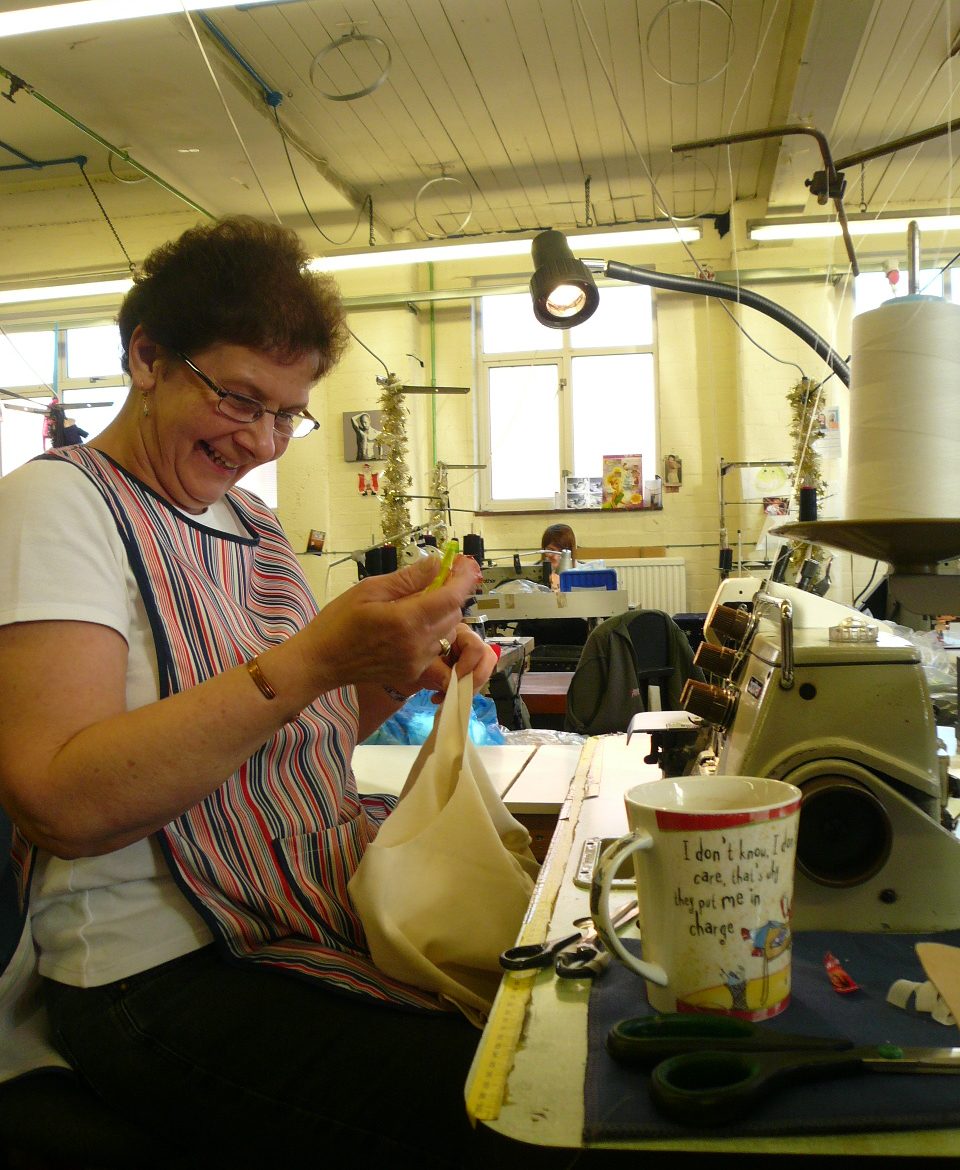
I firmly believe that good and bad things can be made anywhere in the world, but I like to think that there’s a certain flavour associated with the country of origin. Tender’s British-made clothing has taken on a slightly eccentric, perhaps slightly shabby, make-do appearance that comes of repurposing old machines and techniques beyond their intended use, but more importantly a general faith in giving something a go, and being supportive of things not quite working out. I’ve referred to this before as ’the perfection of imperfection’, and I think the important point here is that this is an effect of a way of working, not an affected and intended quirkiness.
In 2014 we moved out of London, to Stroud in the Cotswolds, West of England. We started growing vegetables, became more integrated into our local community, and spent a lot more time in nature. Most importantly, maybe, I learned to drive! This opened up the whole of the UK, both for visiting manufacturers in different places and for getting to understand the feeling of different parts of the country, and how towns and cities differ from each other gradually, rather than as end stops on a train journey. As Tender became slightly more established internationally I also stopped making seasonal trips to New York and Tokyo. I think that during the last ten years Tender has softened its edges partly because of being researched and designed away from the big fashion centres. Counterintuitively, perhaps, I think it’s also widened its perspectives precisely because I’ve been less a part of urban life and less reactive to what other designers are doing.

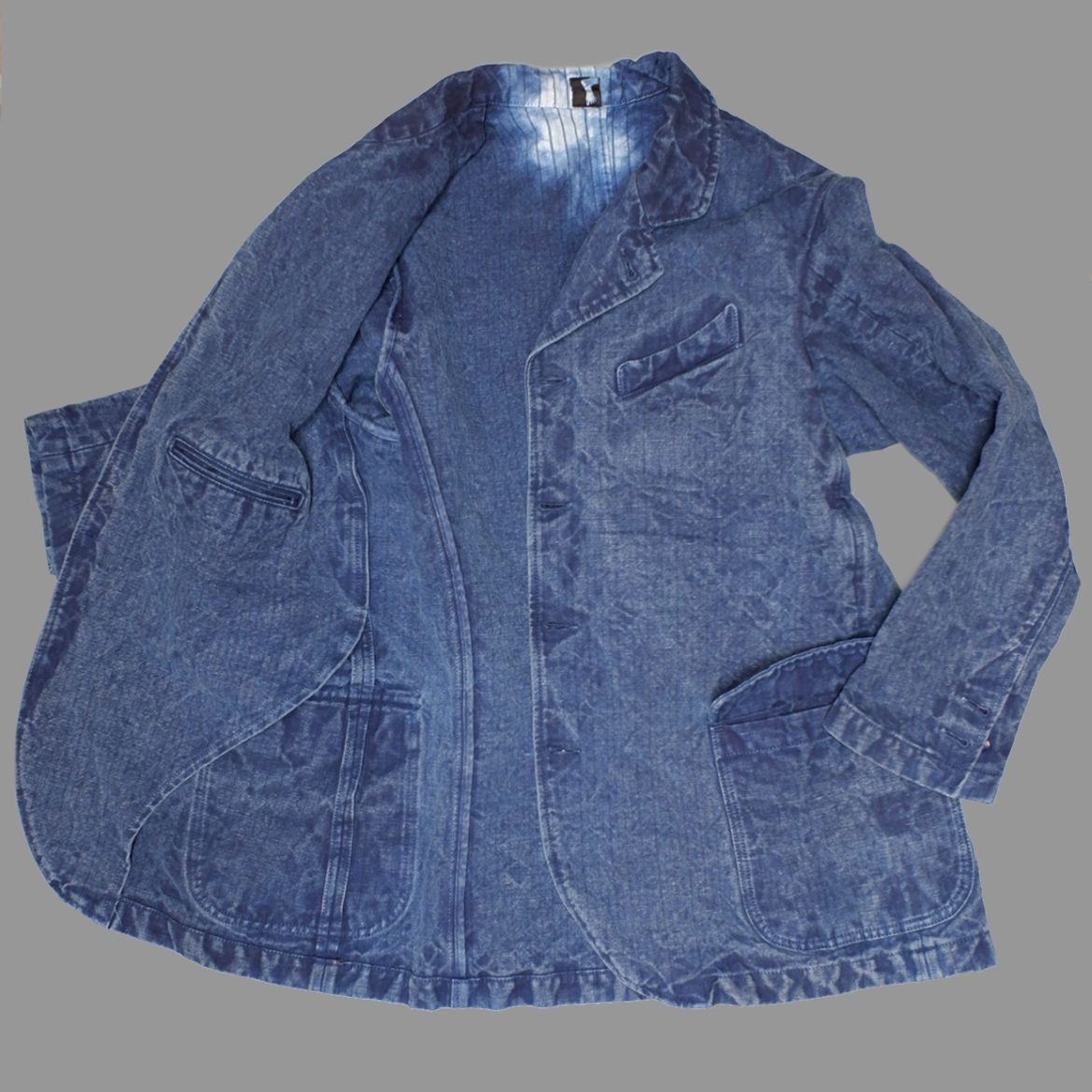
Last year, after nearly two years of immigration paperwork, our family moved to Phoenixville in Eastern Pennsylvania, just outside Philadelphia. My wife Deborah is American, and the move is a personal one, but it’s also acting as an opportunity for rejuvenation (appropriately, given the name of our new town). Sixteen years ago, living in London, I started out sampling Tender’s first garments in Okayama, Japan. They were beautiful, and the people making them were lovely to work with, but the logistical costs of maintaining personal control, and delivering production, were too high to make business sense. Also, while the garments were exactly what I asked for (and remained physically very similar when they were remade in England), somehow they felt like very nice Japanese products, not specifically my products. I’ve been lucky to revisit these makers through the Achilles’ Heel indigo project, where I believe they have their own sense of place.
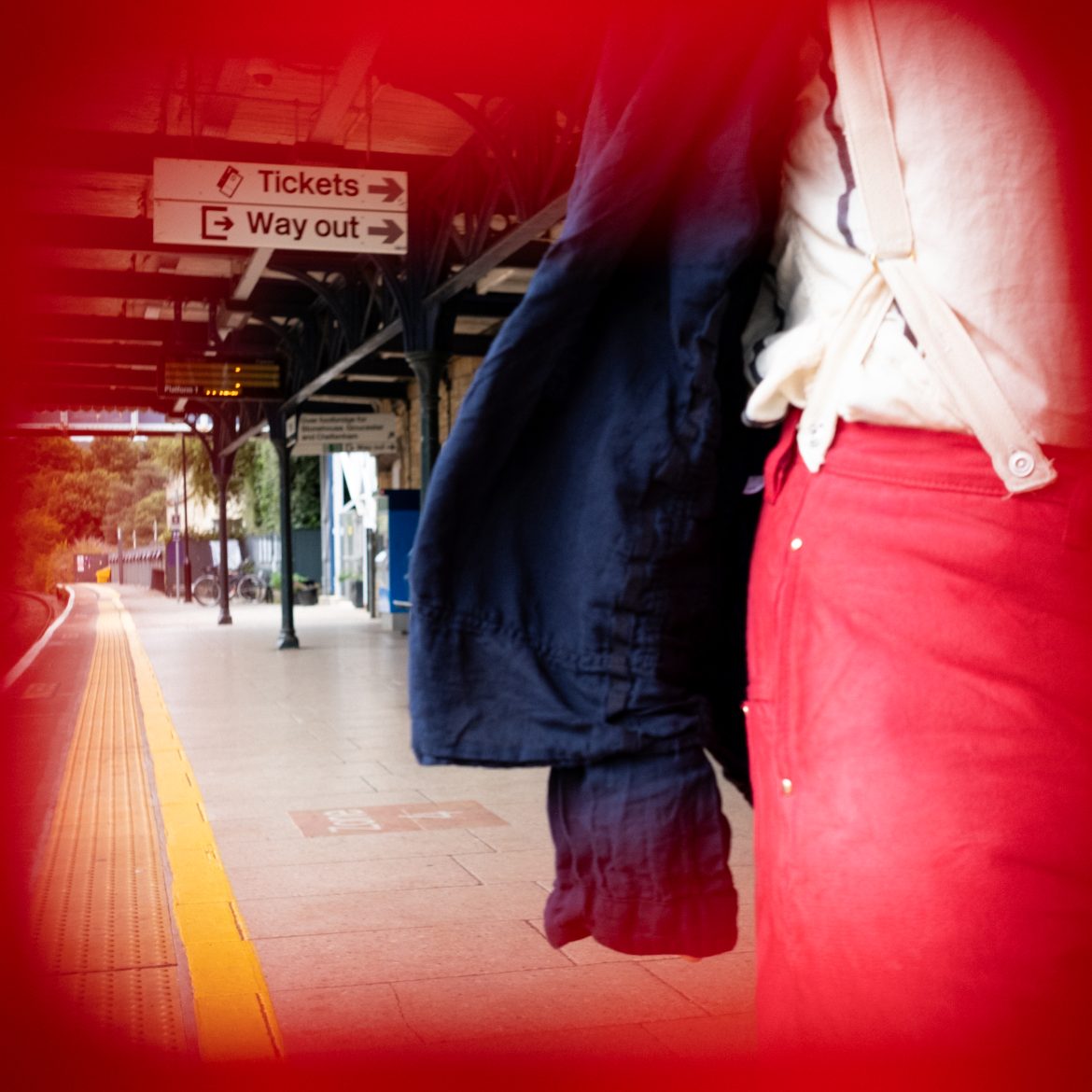
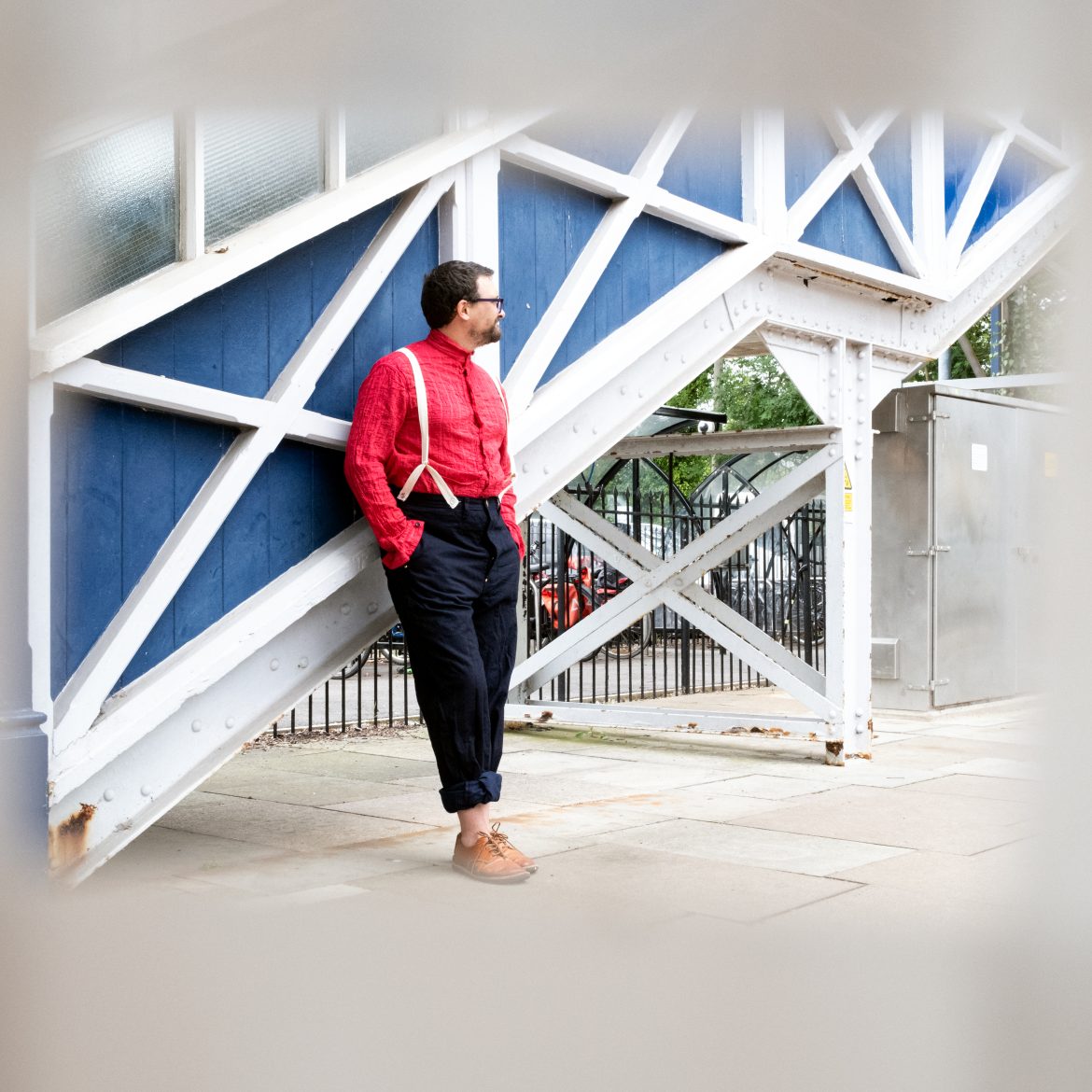
It seems like clothing brands often relocate production as they grow, to somewhere with an easier supply chain, or larger capacity, but in Tender’s case the manufacturing location has simply been a matter of being close to home. This was the reason for the original, pre-launch, move from Japan to the UK, and for the same reason I’m now in the process of reestablishing everything here in the US. It’s a gradual process, as things are designed and sold to stockists a year and six months ahead, respectively. Spring/Summer 2025, available now, is the last season designed in Stroud, and was photographed on the London-bound platform at Stroud railway station. 156 Split Back jeans are a specific reference back to the first Tender collection, based on British Rail uniform trousers, but the volume and texture of the fabrics, deadstock from earlier seasons, feels quite Stroud. The clothes were made in England from fabrics woven in England, but have been dyed and finished in America. This is the last season to be sewn in the UK- forthcoming productions will be made closer to our new home.
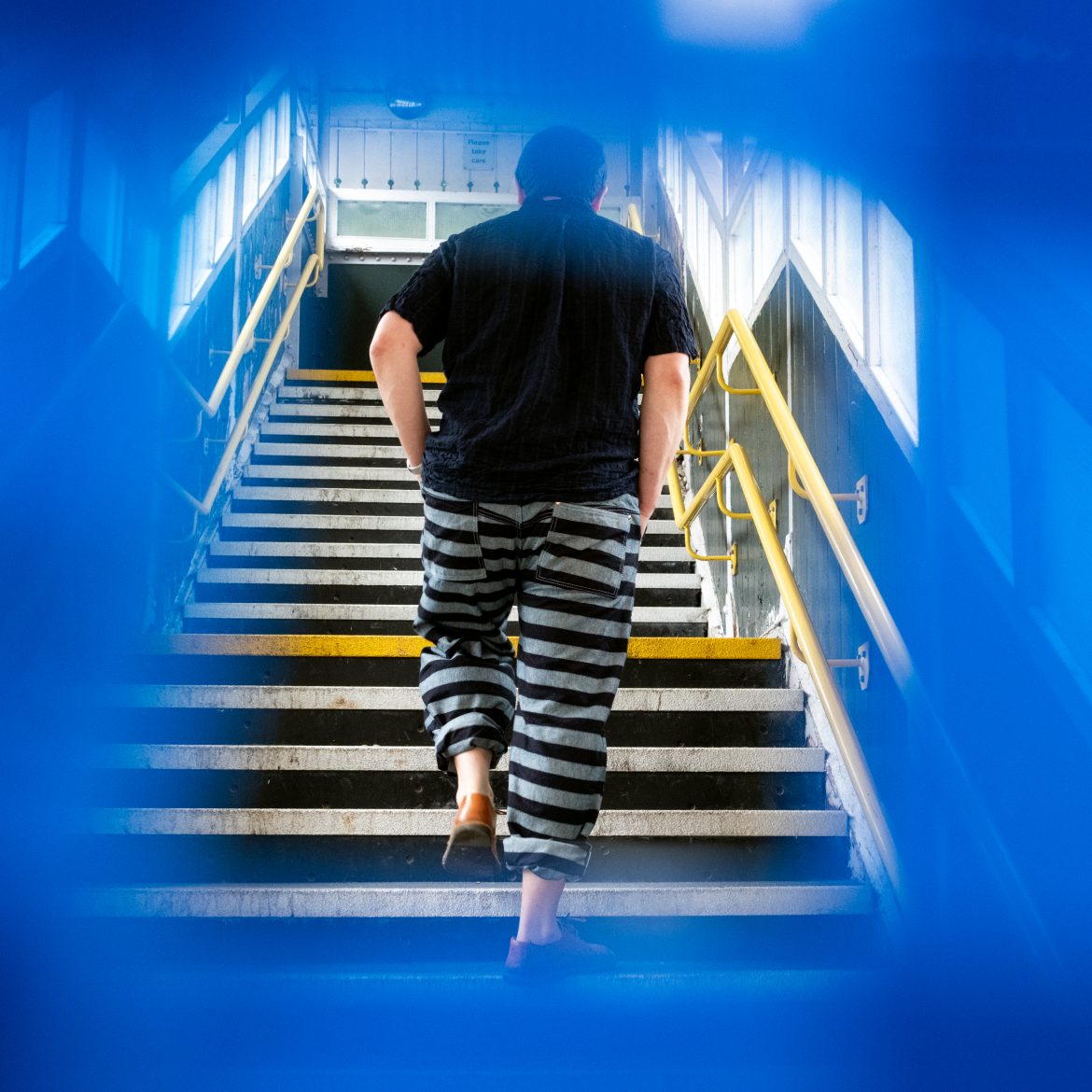
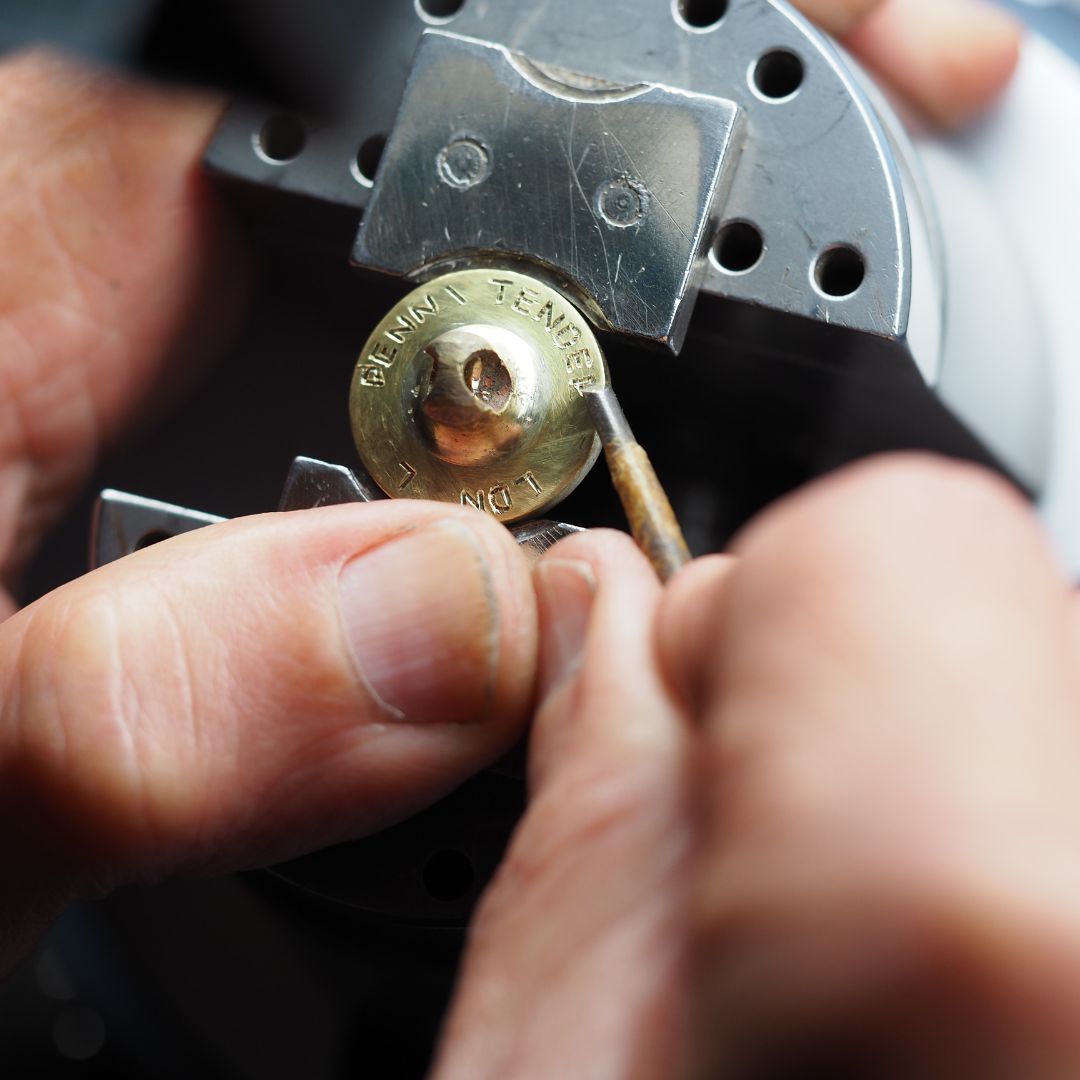
The button on the jeans, also made into a necklace pendant, is cast from an engraved original with starry eyes and Tender’s three locations to date: LDN – GLOS – PENNA
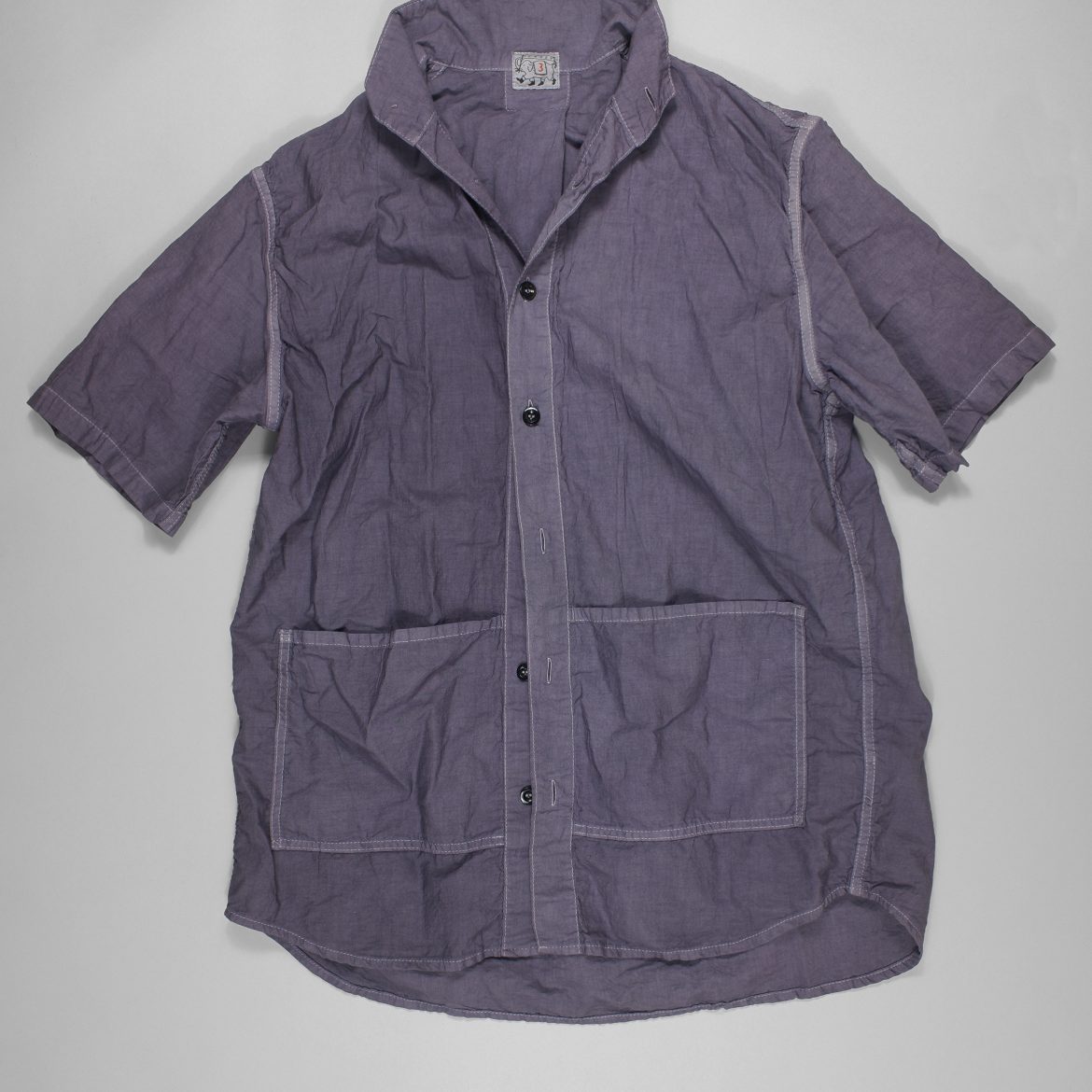
Lastly for this piece, I’m excited to have just taken delivery of my first batch of shirts naturally dyed in the US! These are dyed with purple logwood, a colour I’ve been wanting to revisit for over a decade, and have come up beautifully.
This piece was originally written for the Tender Stores newsletter. If you would like to sign up for our occasional mailing list please
On Jeans
On Trade Shows
On Teaching
On Collaborating

On Shopkeeping

On Butterflies
On Spring / Summer 2024

On Pleats and Darts

On Colours

On Knitting with Two Yarns

On Autumn/Winter 2023

On Coffee Mugs and Understandable Construction

On Lost Jeans

On Construction-First Design

On Shirt Tails and Coat Tails

On Woven Stripes
